

frosted glass window pane
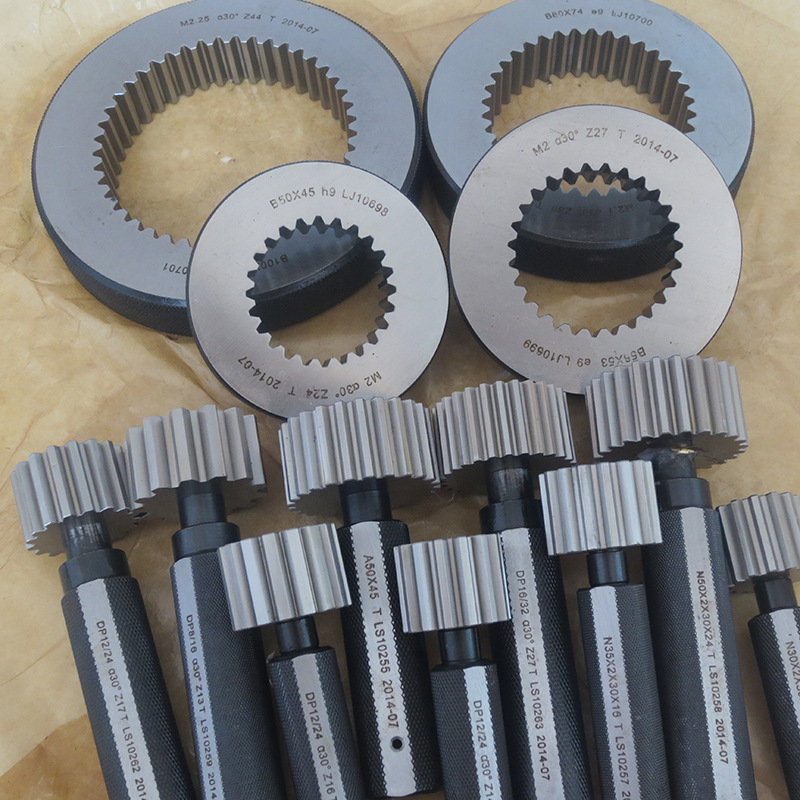
Understanding Thread Plug Gauges G and H Classes Understanding Thread Plug Gauges G and H Classes The primary function of a thread plug gauge is to verify the acceptability of external and internal threads. The G class gauges are designed for the functional limits of the thread, ensuring that the part can engage correctly with a corresponding threaded component. Typically, G class gauges are utilized for testing threads that require a higher level of precision and are often employed in production environments where maintaining tight tolerances is essential. These gauges help in ensuring that the parts not only fit together but also function effectively under various loading conditions. thread plug gauge g and h On the other hand, H class gauges are designed with a more lenient tolerance compared to G class gauges. They are used for inspecting threads that do not require as stringent specifications, making them ideal for applications where some degree of variability is acceptable. H class gauges are typically utilized in large-scale production where quick measurements are paramount, and precise fitting is not as critical. They serve to ensure that parts can still be assembled without issues, even if they may not meet the tighter tolerances dictated by G class gauges. When choosing between G and H class thread plug gauges, a manufacturer must consider factors such as the intended application, operational environment, and necessary precision levels. For instance, in aerospace or medical device manufacturing, where safety and reliability are paramount, G class gauges are often preferred. Conversely, in less critical applications, such as general manufacturing or automotive production where speed and cost-efficiency are prioritized, H class gauges may suffice. In conclusion, both G and H class thread plug gauges serve vital roles in maintaining quality standards in threaded components. By ensuring that parts meet the necessary tolerances, manufacturers can minimize defects, enhance assembly processes, and ultimately deliver higher-quality products. Understanding the distinctions between these gauge classes allows for better selection based on specific project requirements, contributing to improved efficiency and effectiveness in production environments.
about
frosted glass window pane
Y type strainers are essential components in fluid handling systems, designed to filter debris and protect equipment such as pumps, valves, and pipelines. Among the many options available, cast iron Y strainers are a popular choice due to their durability, cost-effectiveness, and suitability for various applications. Whether you're looking for a flanged Y strainer , a 4 flanged Y strainer , or a Y type filter , this guide covers everything you need to know. What is a Y Type Strainer? A Y type strainer is a mechanical filter used to remove debris and particles from liquids, gases, or steam systems. Its "Y" shape design provides efficient filtration while allowing easy maintenance. Key benefits of a Y type filter include: Protection for downstream equipment. Minimal pressure drop during operation. Versatility in handling a wide range of media. For heavy-duty applications, a cast iron Y type strainer is particularly effective due to its robust construction and ability to withstand high temperatures and pressures. The Advantages of Cast Iron Y Strainers Cast iron Y strainers are widely used in industrial and commercial systems for their durability and affordability. They are particularly suitable for water, oil, and steam applications. Material Strength : The cast iron body ensures long-lasting performance even in harsh environments. Variety of Connections : Options such as threaded or flanged Y strainers allow easy integration into existing systems. Cost-Effective Maintenance : The removable mesh screen simplifies cleaning and reduces maintenance costs. When dealing with larger pipelines, a 4 flanged Y strainer or a flanged Wye strainer is ideal for ensuring efficient filtration and easy installation. Why Choose a Flanged Y Strainer? A flanged Y strainer is designed for systems requiring secure and leak-proof connections. The flanged ends make it easy to install and remove, especially in larger systems. Durability : Flanges provide robust connections, ideal for high-pressure applications. Versatility : Whether you're using a cast iron Y strainer or a flanged Wye strainer , these components can handle various fluids, including water, oil, and chemicals. Ease of Maintenance : The Y shape allows debris to collect at the bottom, which can be quickly removed by opening the blow-off valve. For industrial applications, a cast iron Y type strainer with flanged connections is an excellent choice due to its reliability and ease of use. From protecting your equipment to ensuring system efficiency, cast iron Y strainers play a crucial role in fluid handling systems. Whether you need a 4 flanged Y strainer , a flanged Wye strainer , or a standard Y type filter , these strainers deliver dependable performance across a range of applications. Investing in the right strainer ensures long-term system integrity and cost savings.
-

High quality industrial productsagement

High quality industrial products
View Details -

Meet the diverse needs of customers

Meet the diverse needs of customers
View Details -

Strict quality control

Strict quality control
View Details -

Top raw materials

Top raw materials
View Details -

Trusted supplier

Trusted supplier
View Details
Our application

news and information
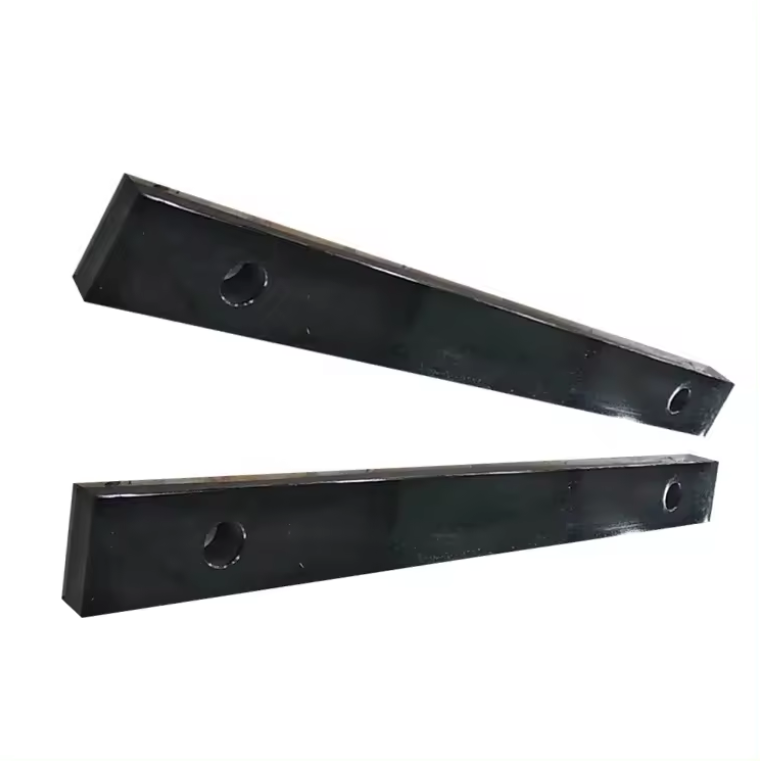
vibration mounting pad
The Importance of Vibration Mounting Pads in Industry In today's fast-paced industrial environment,
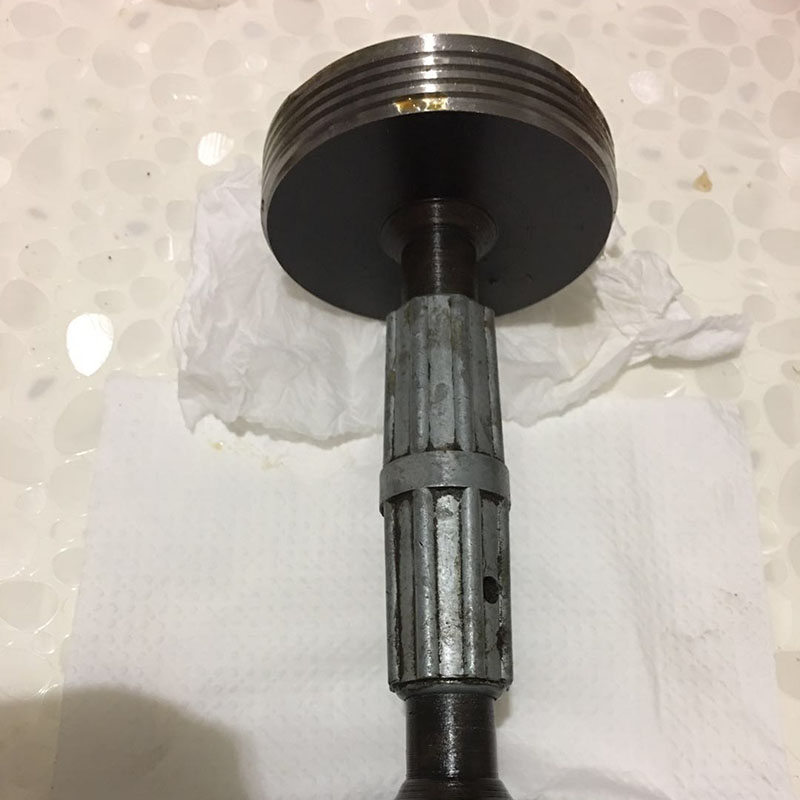
Versatile Ground Anchor Solutions for Securely Supporting Adjustable Structures and Outdoor Installa
Understanding Adjustable Post Ground Anchors A Comprehensive Guide In the field of construction and
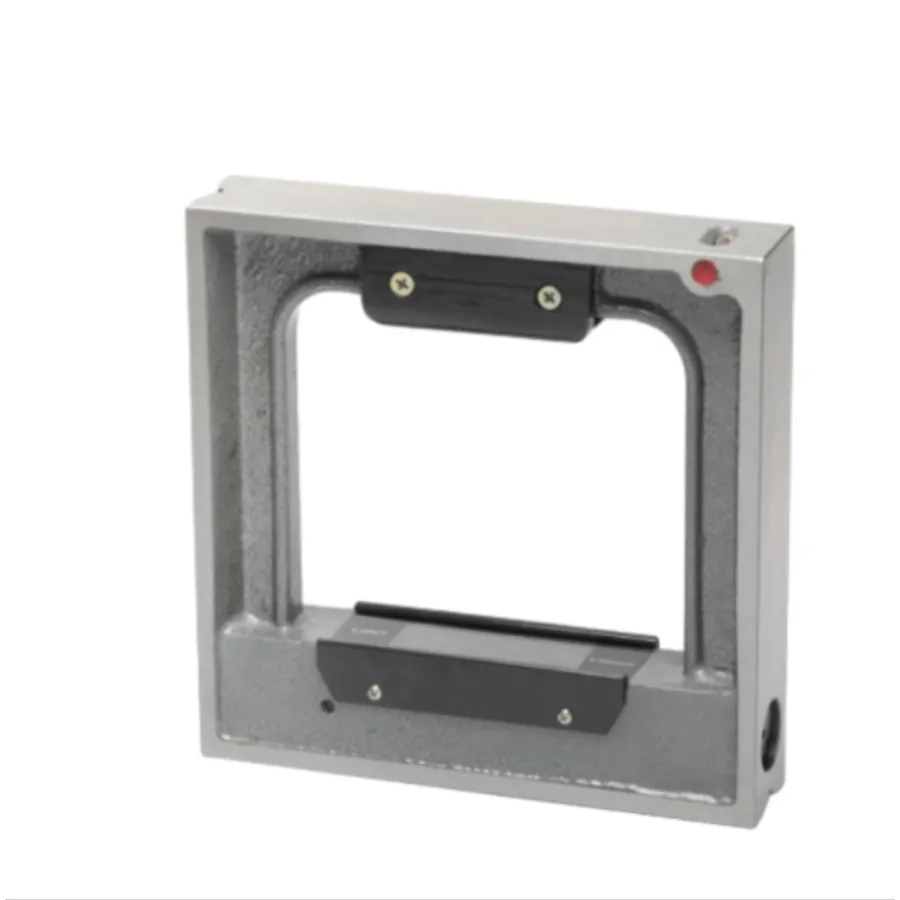
using v blocks
Utilizing V Blocks A Comprehensive Guide V blocks are essential fixtures in machining and manufactur
 English